260338 - Old Traditional Harari Basket from the town Harar - Ethiopia.

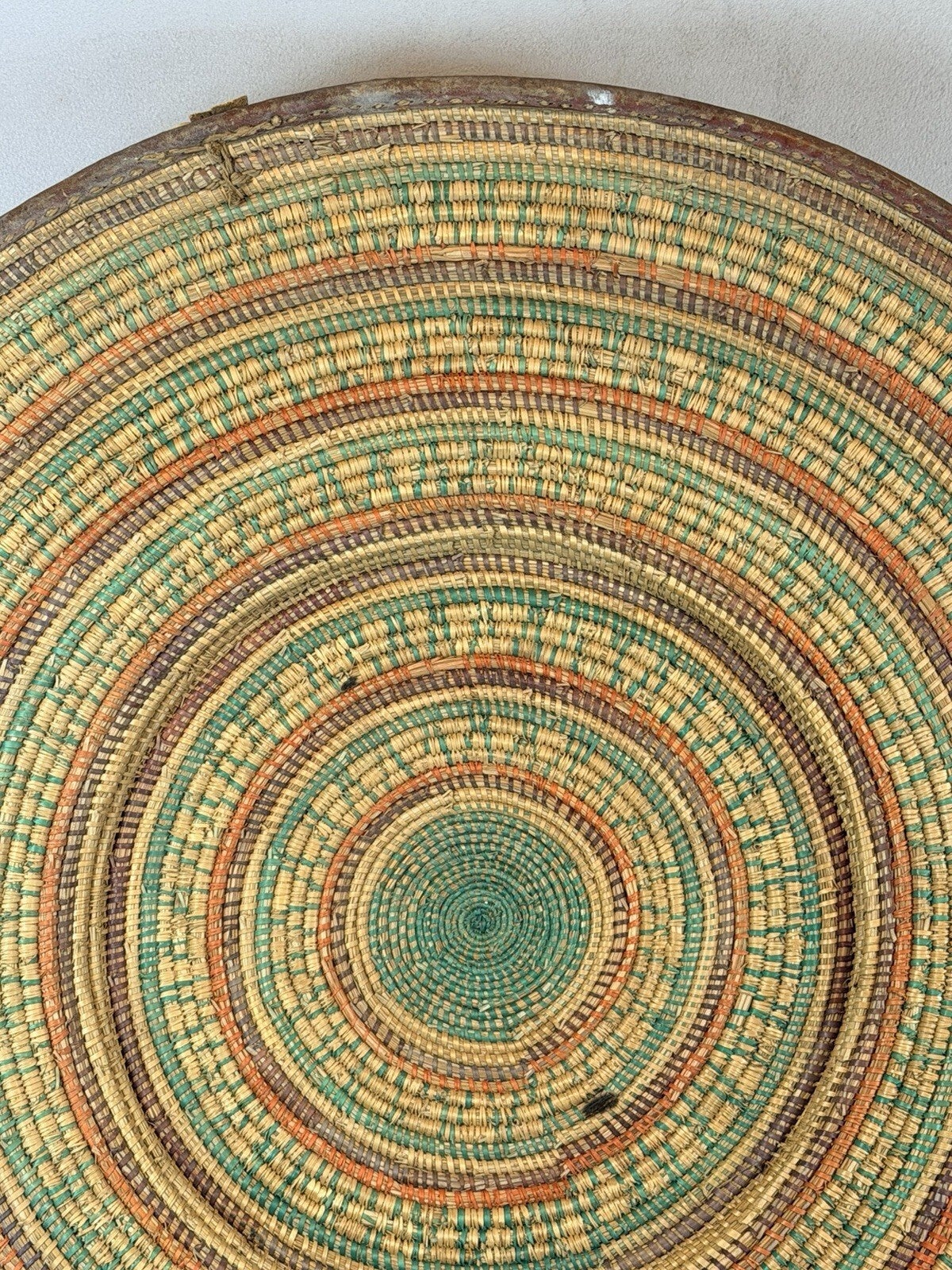


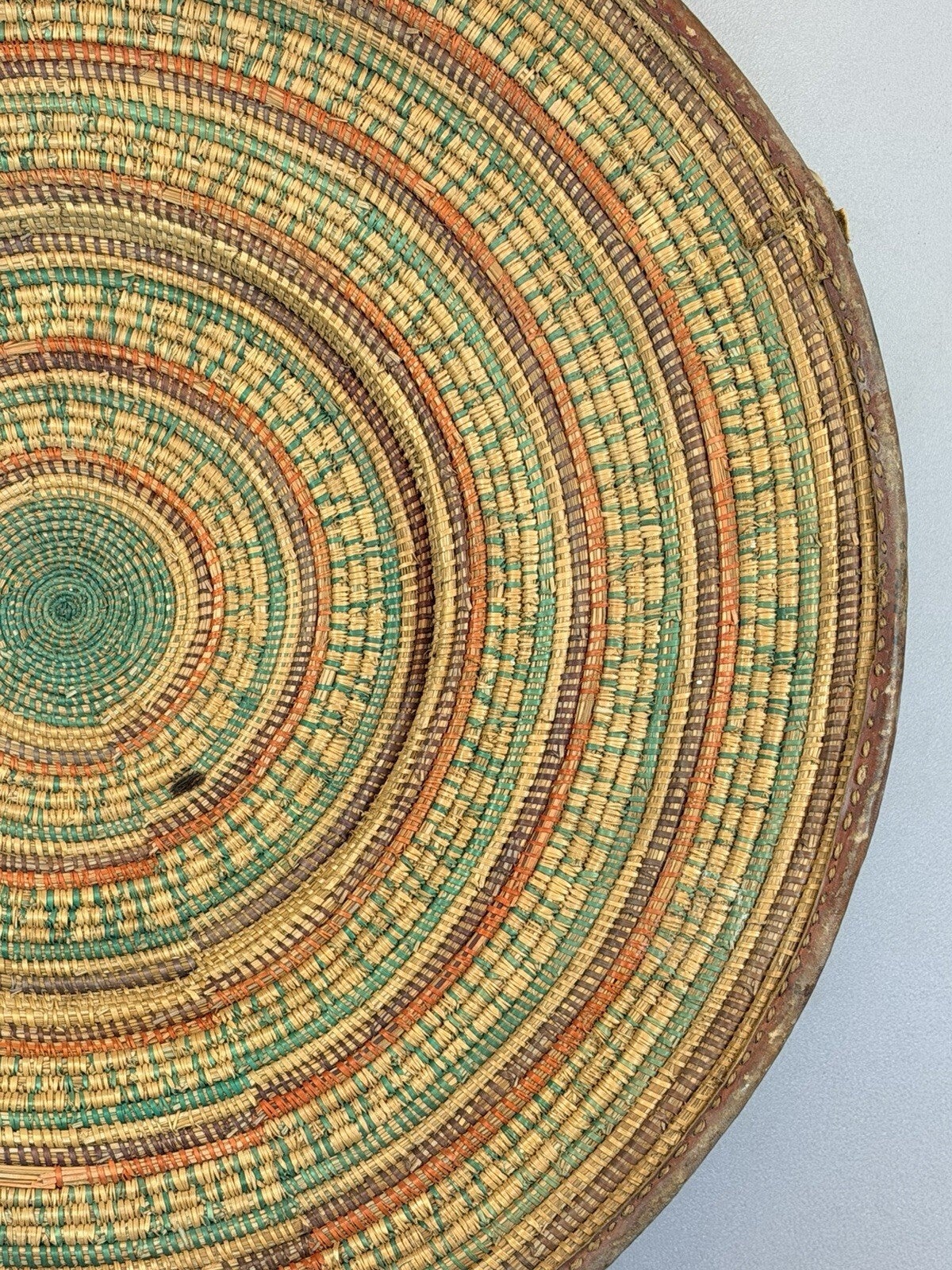

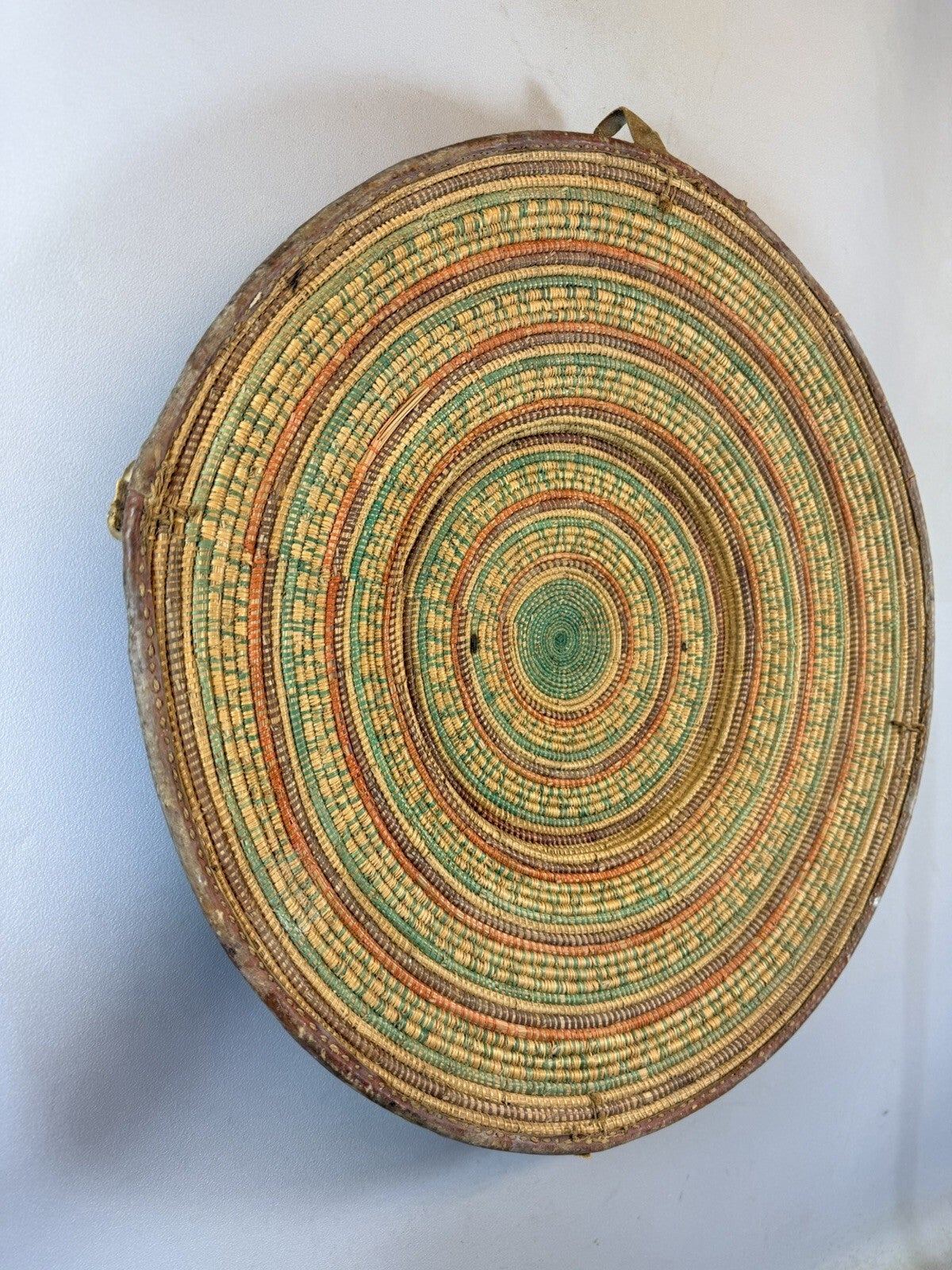
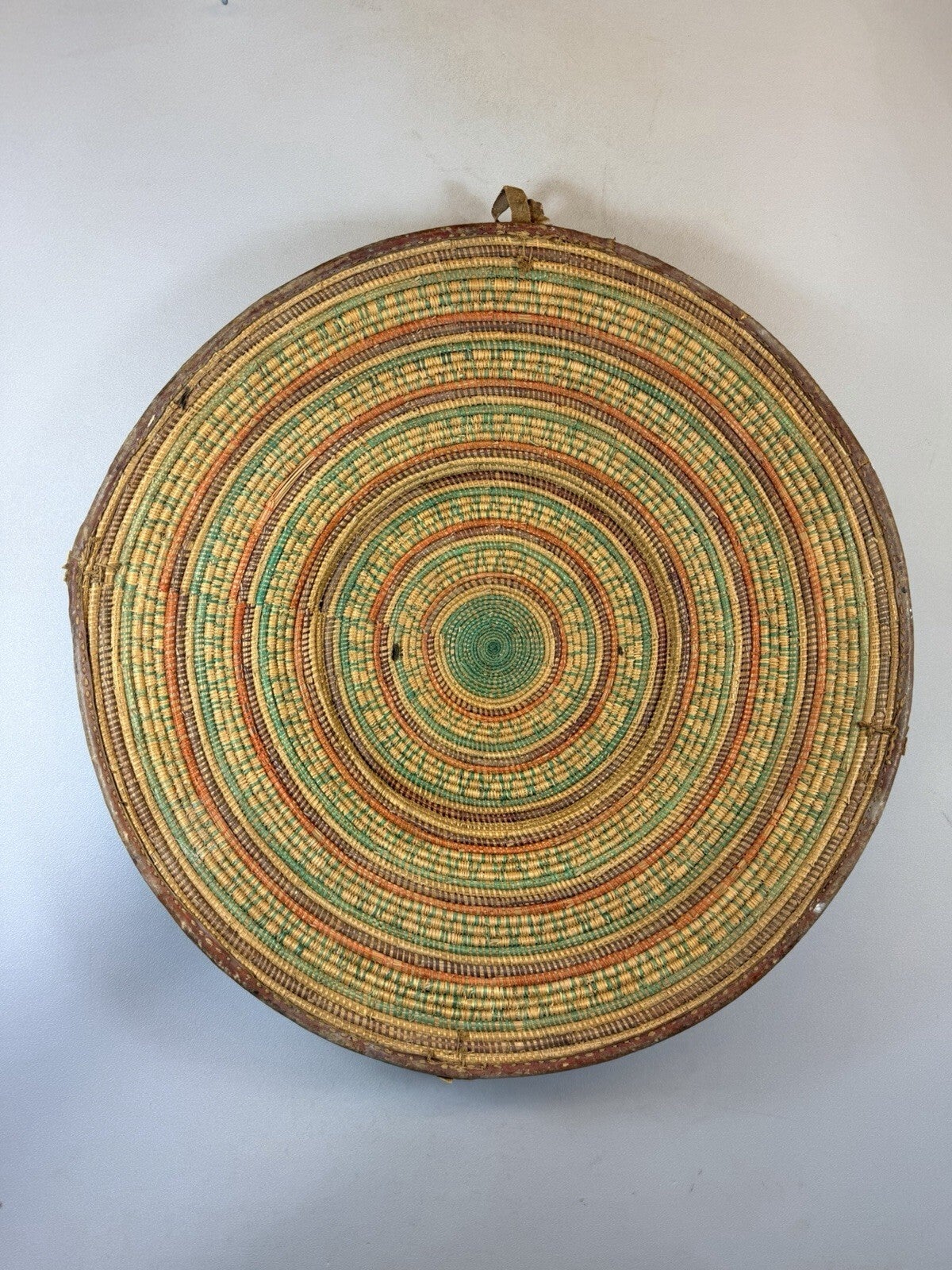

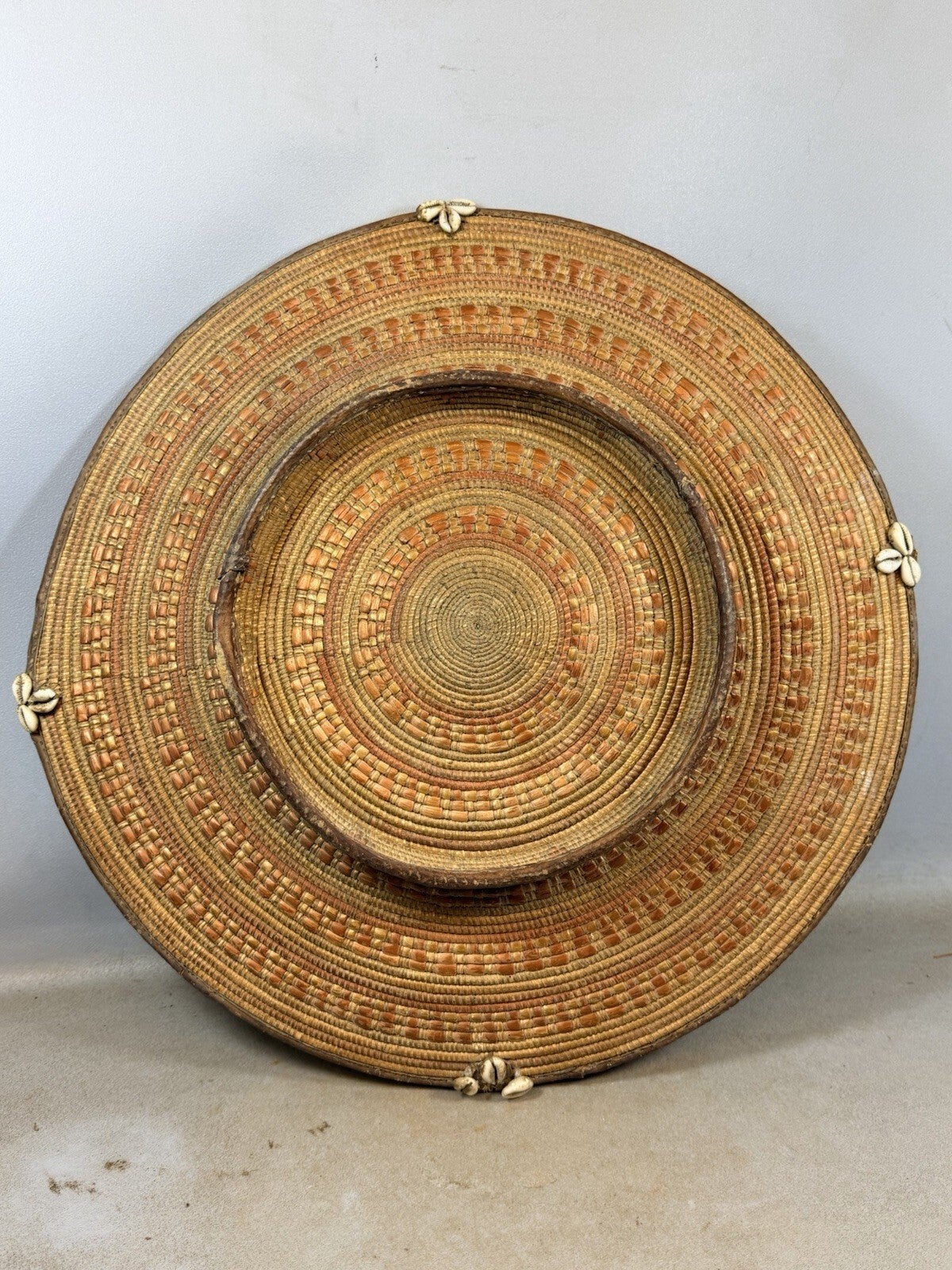

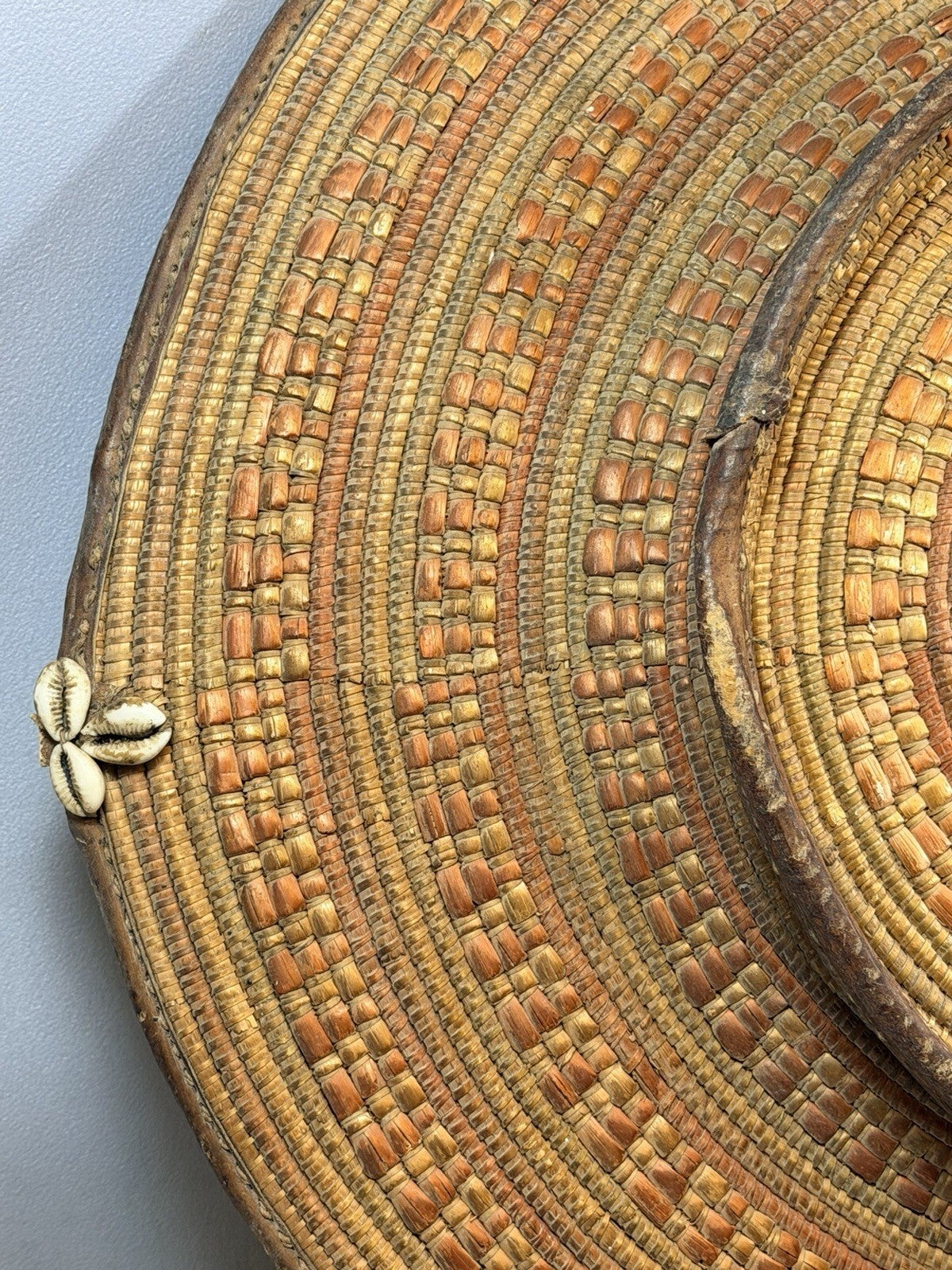


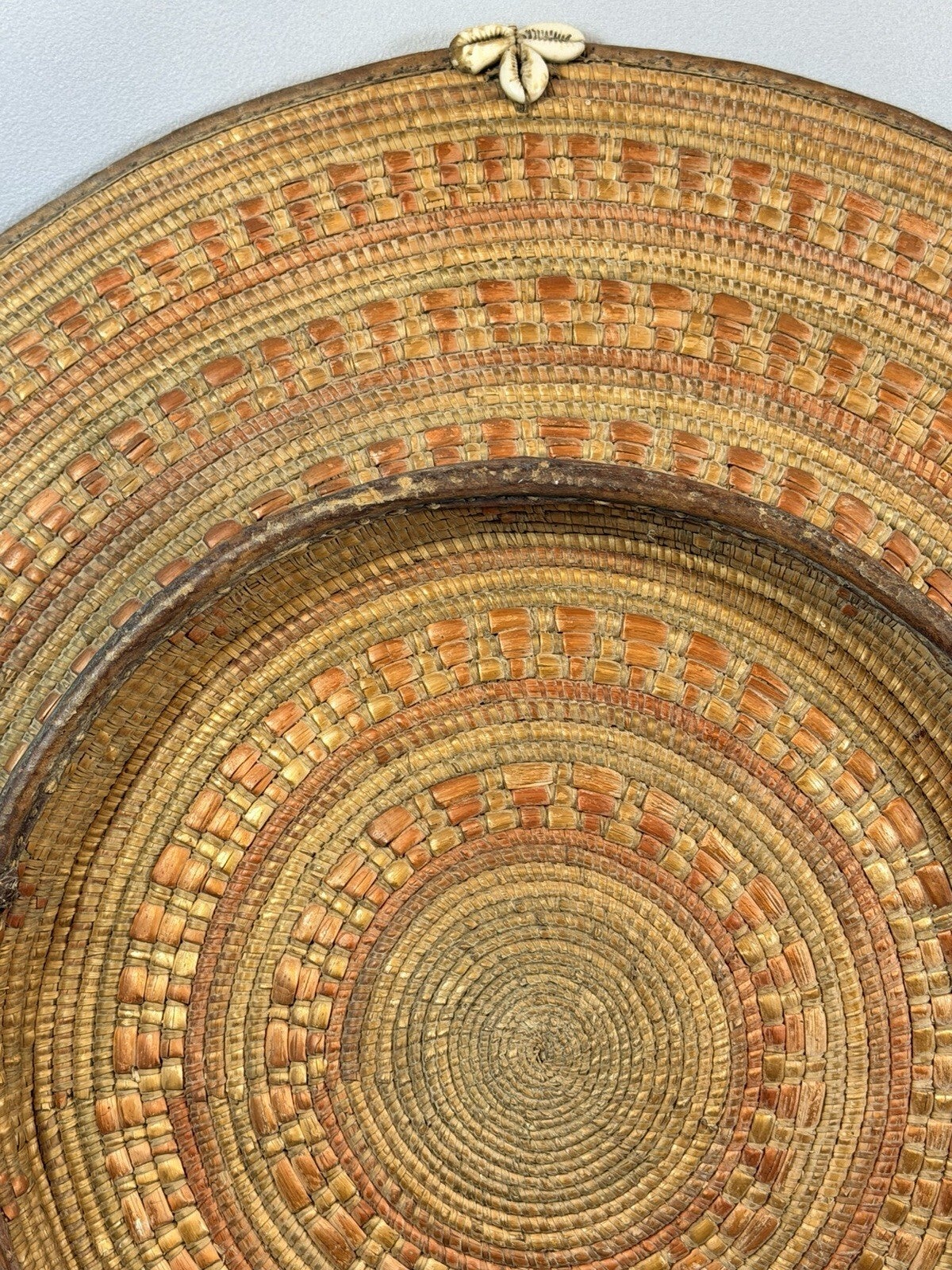
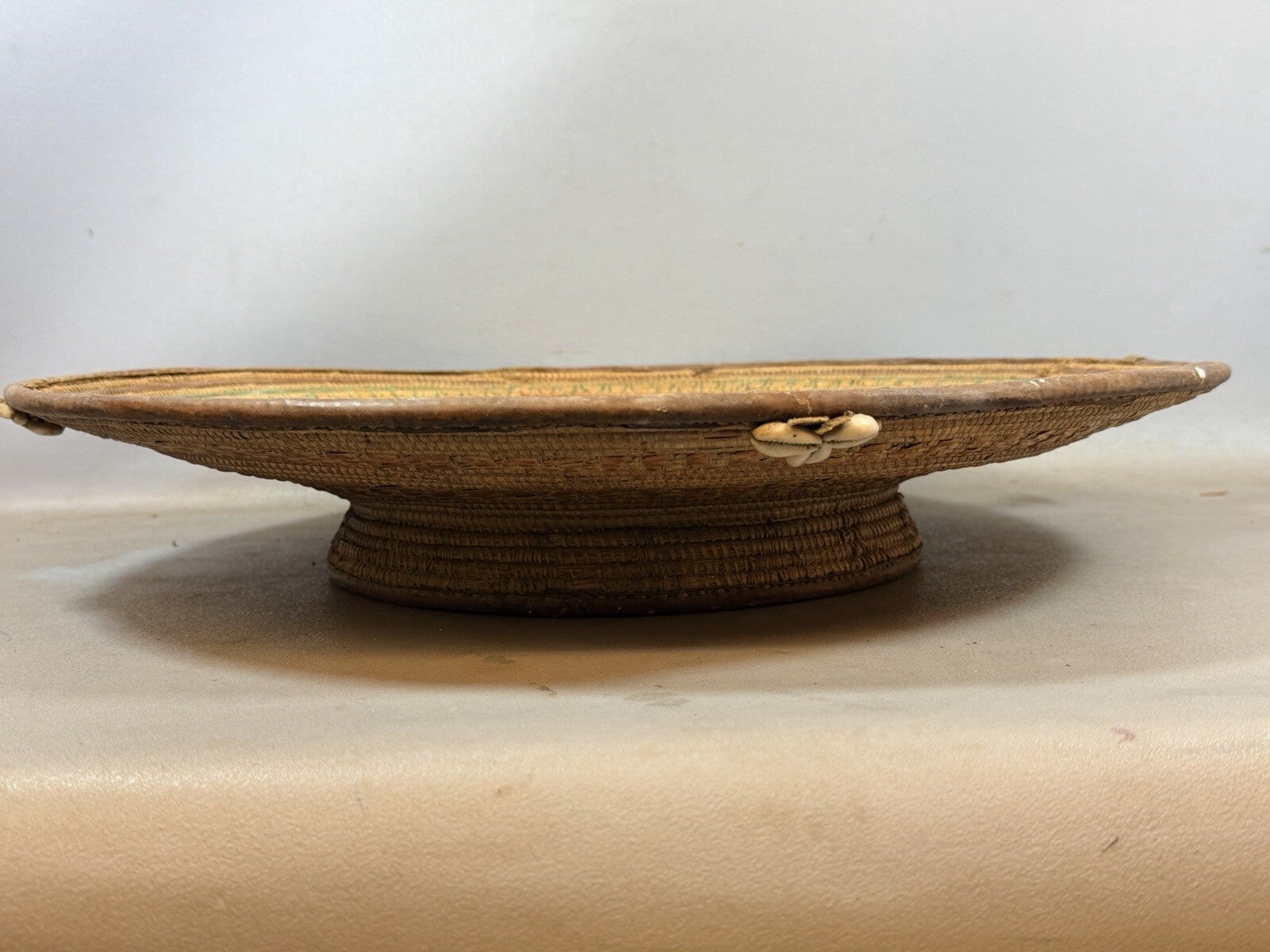

Old Traditional Harari Basket from the town Harar - Ethiopia.
Diameter: 50 cm. In excellent condition, all handles and cowrie shells are intact.Geometric designs in good condition.
This Harari basket is dated first half of the 20th century and comes with a certificate of authenticity.
Harari people of Ethiopia, an ethnic minority group from the eastern city of Harar. Traditional basketry is made exclusively by Harari women and plays an integral role as a symbol of Harari feminine identity. Basket making is a right of passage for young girls, who are expected to master the art of weaving before their wedding to provide a minimum number of baskets for their dowry. Before their marriage, young girls make baskets together as part of a "mooy gaar," a social group of girls of the same age, where they learn to weave and learn the art of social etiquette. Traditional baskets serve as a valuable link between tangible and intangible heritage, representing "femininity, family, and community," while also creating and strengthening social relationships. Harari basket weaving is an important cultural marker for the region.
This very old, used and authentic Harari basket was handmade of reeds in a singlevery narrow gauge coil and woven natural dyed grasses in detailed geometric designs. Exceptional in design and technique these baskets are reflections of a family's wealth.
Harar is the capital city of the Harari Region in Ethiopia. The ancient city is located on a hilltop in the eastern part of Harar and is about five hundred kilometers from the Ethiopian capital Addis Ababa at an elevation of 1,885 metres When Harar was founded is unclear and various dates have been suggested, some state the early Semitic settlers of the region were believed to be of Hadhrami stock. In any case, the modern city of Harar mostly dates back to the 1700s at the earliest, but the site itself has been the site of a city for much longer.
It is likely the original inhabitants of the region are the Harla people. Harar was part of the Harla Kingdom's domain in the sixth century.In the Islamic period, the city was under an alliance called the confederated states of Zeila.According to the twelfth-century Jewish traveler Benjamin of Tudela, the Zeila was the land of the Havilah, confined by al-Habash in the west. In the ninth century, Harar was under the Maḥzūmī dynasty's Sultanate of Shewa. Islam had gained a foothold on the Harar plateau by the 10th-11th centuries CE via trade with Zeila. By the 13th century Islam had become the predominant religion in the region.