260949 - African Yoruba Gelede mask - Nigeria.
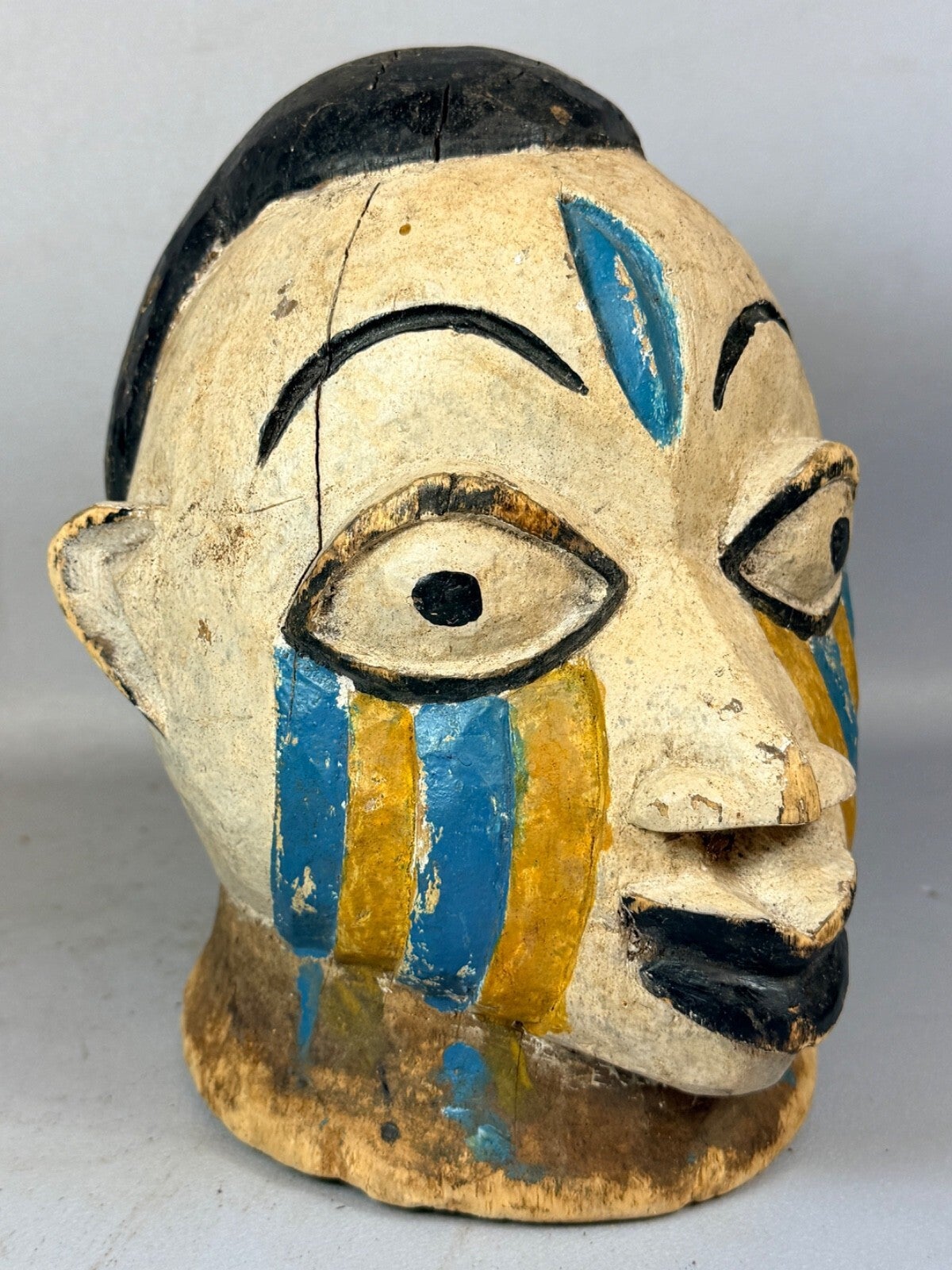
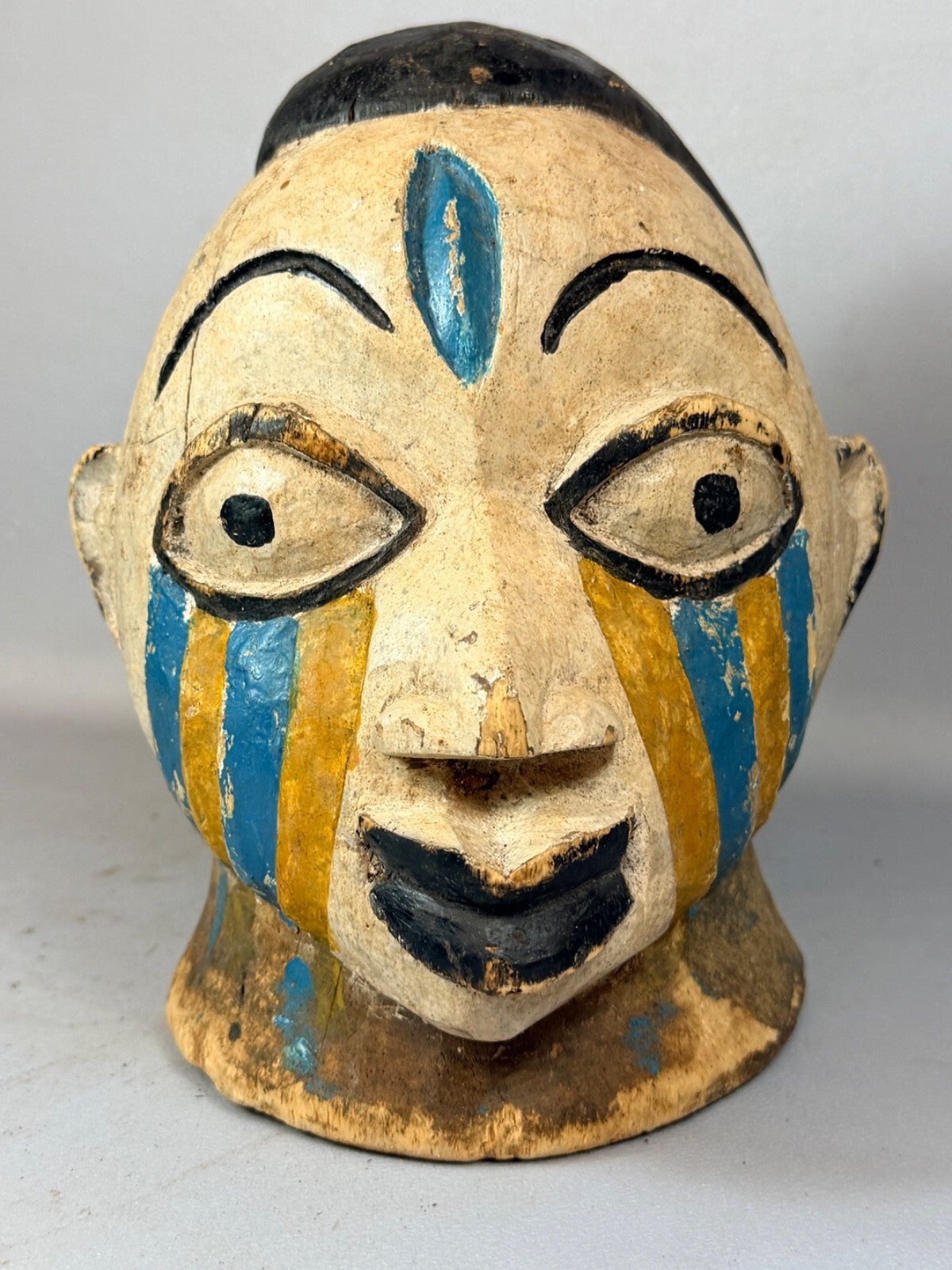
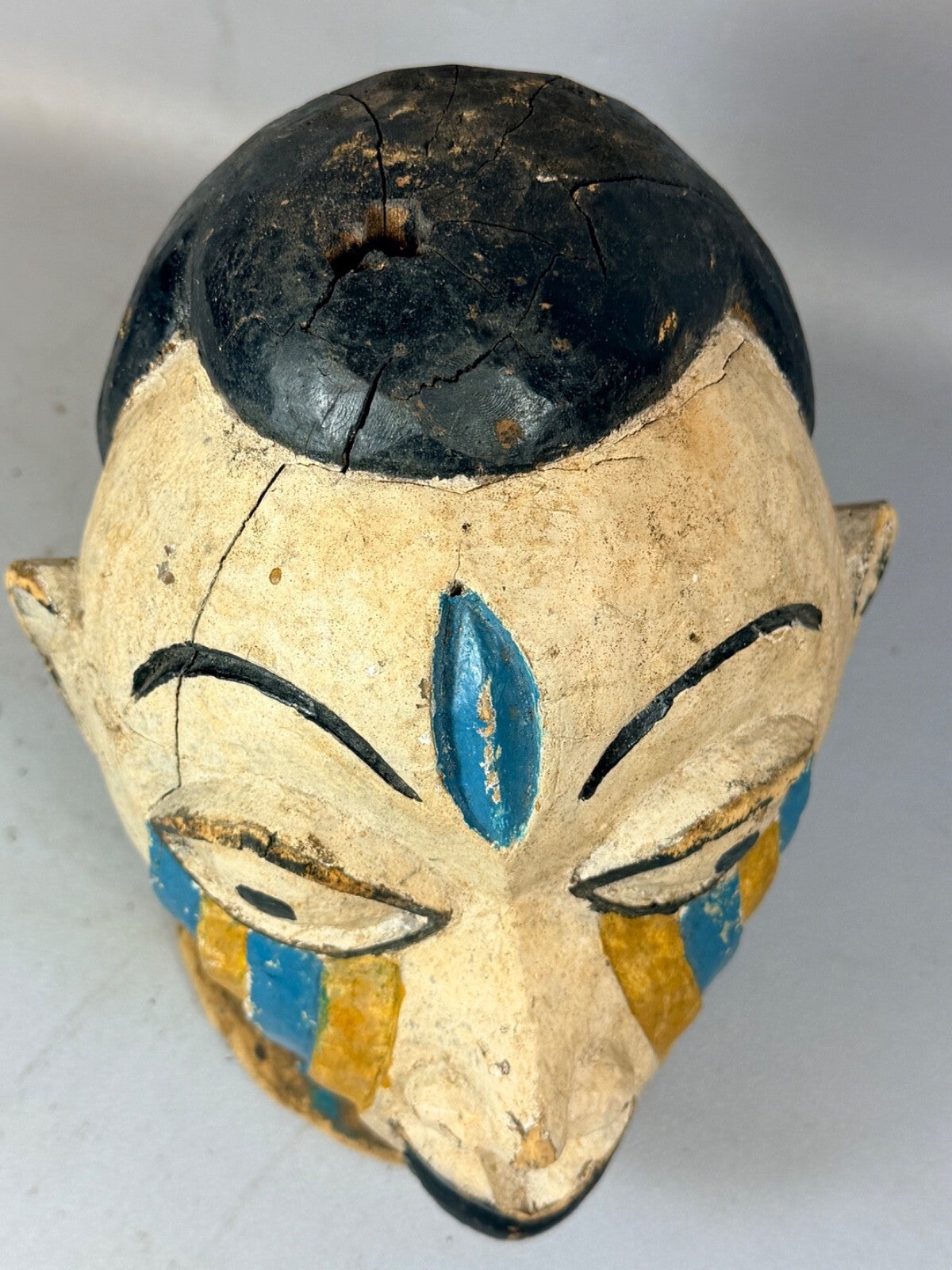
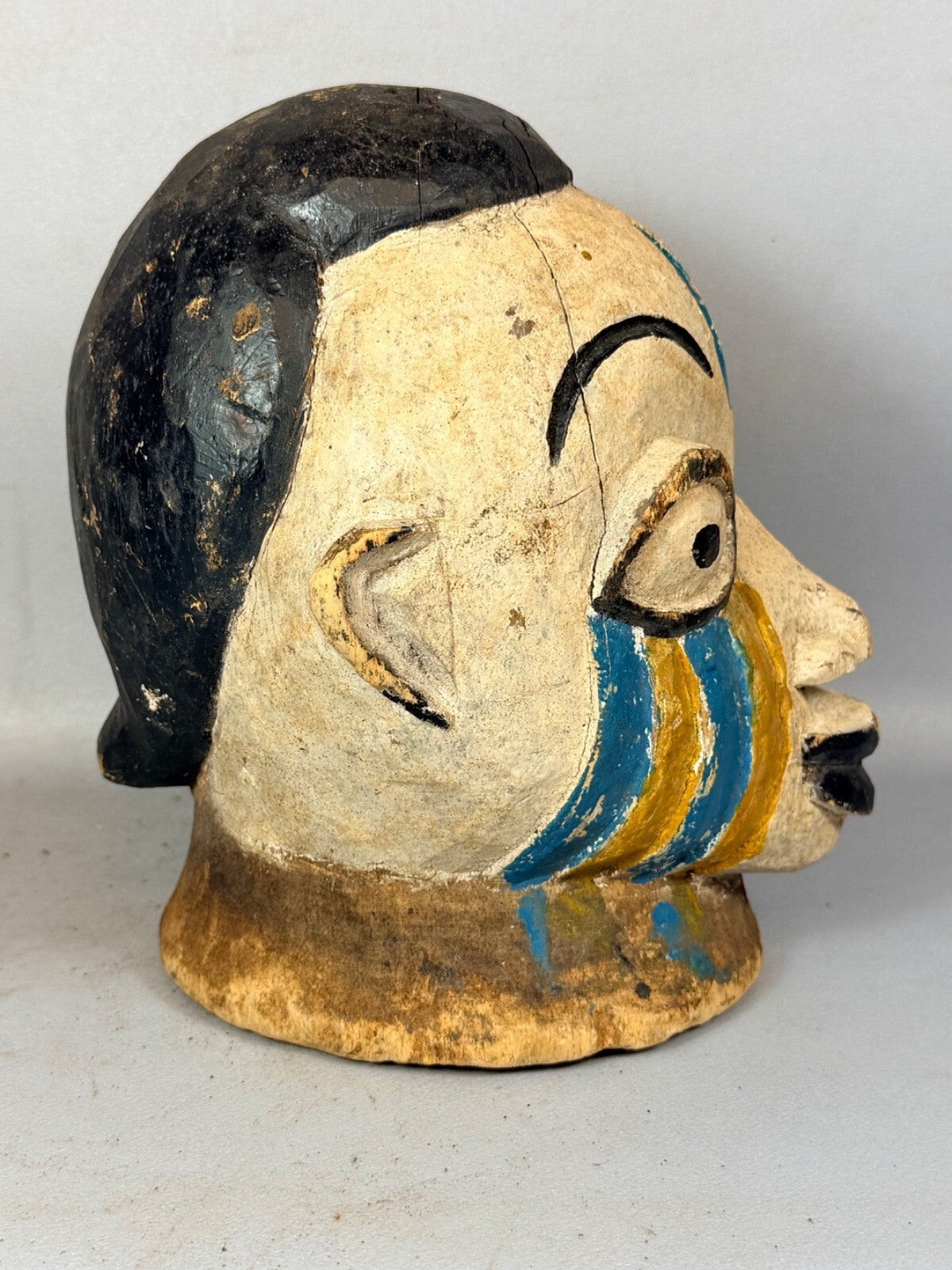
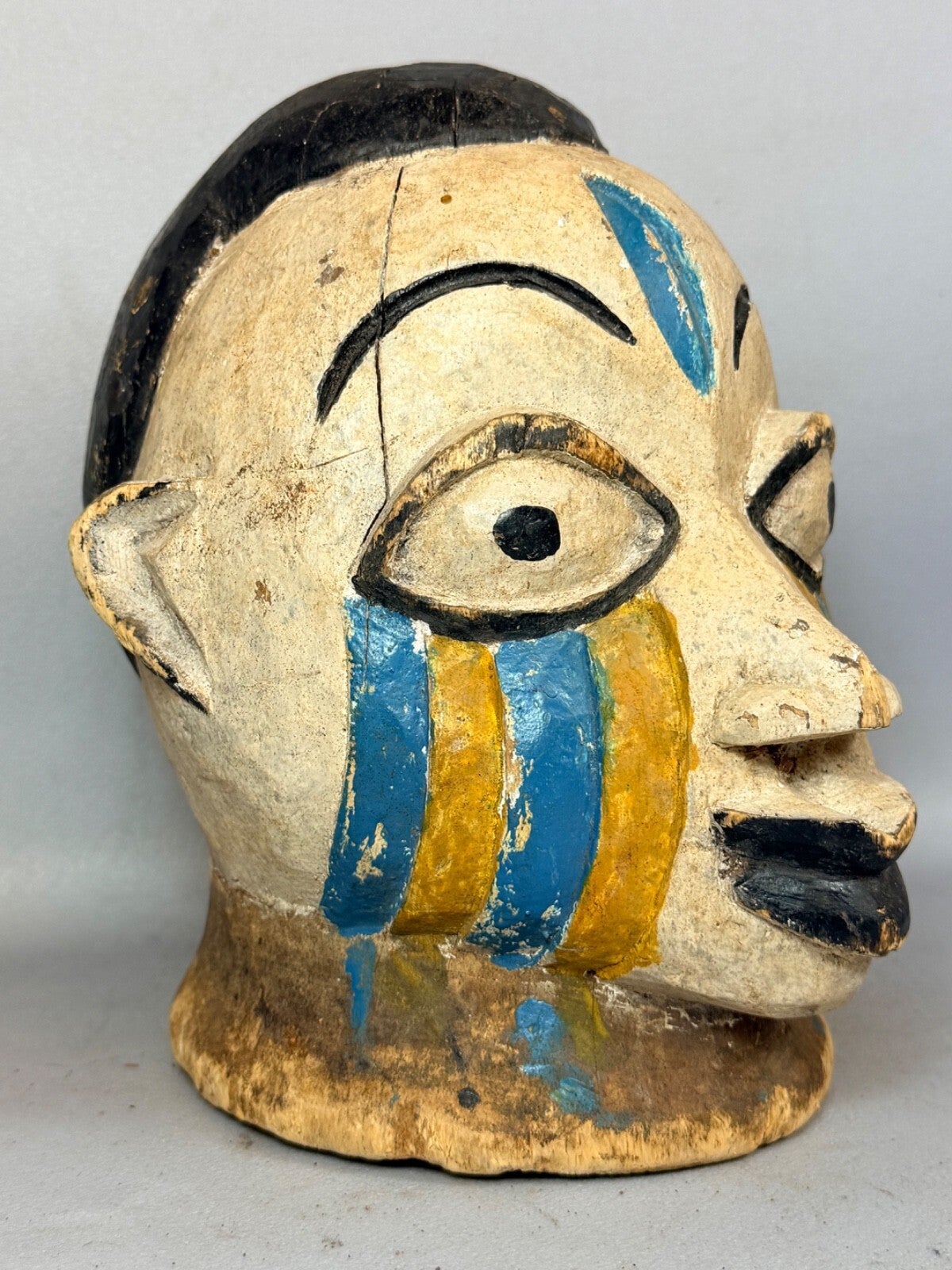
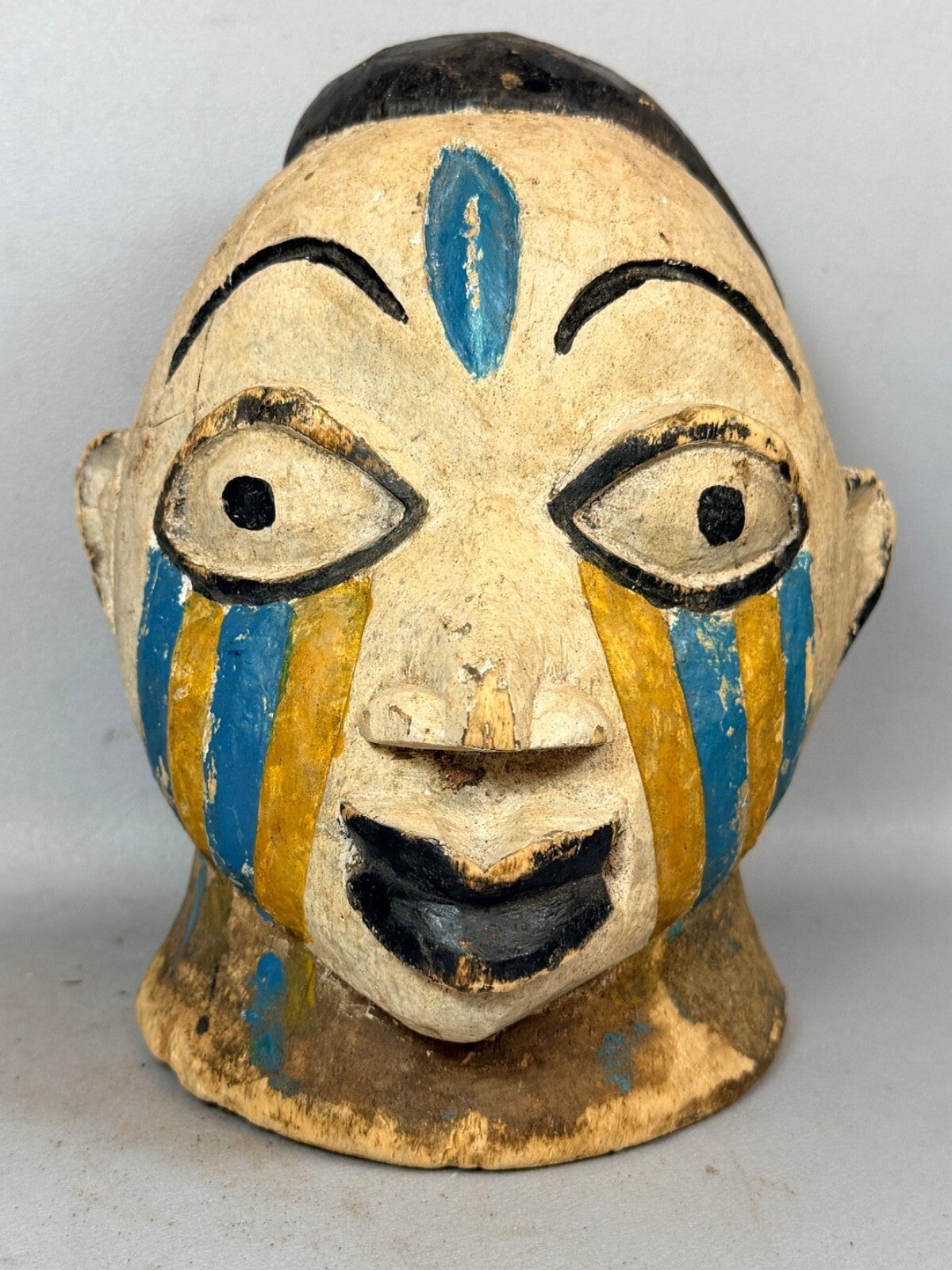
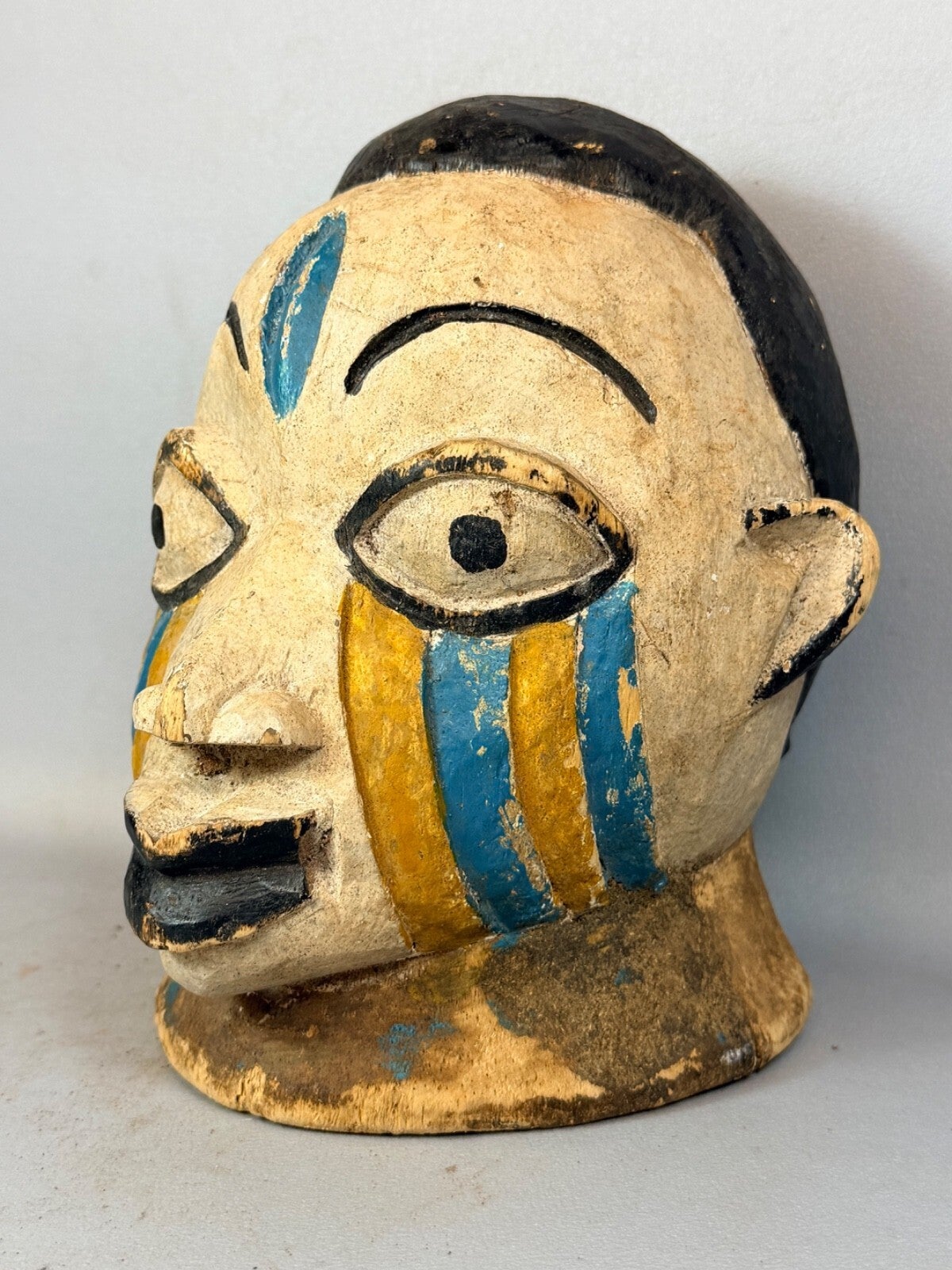
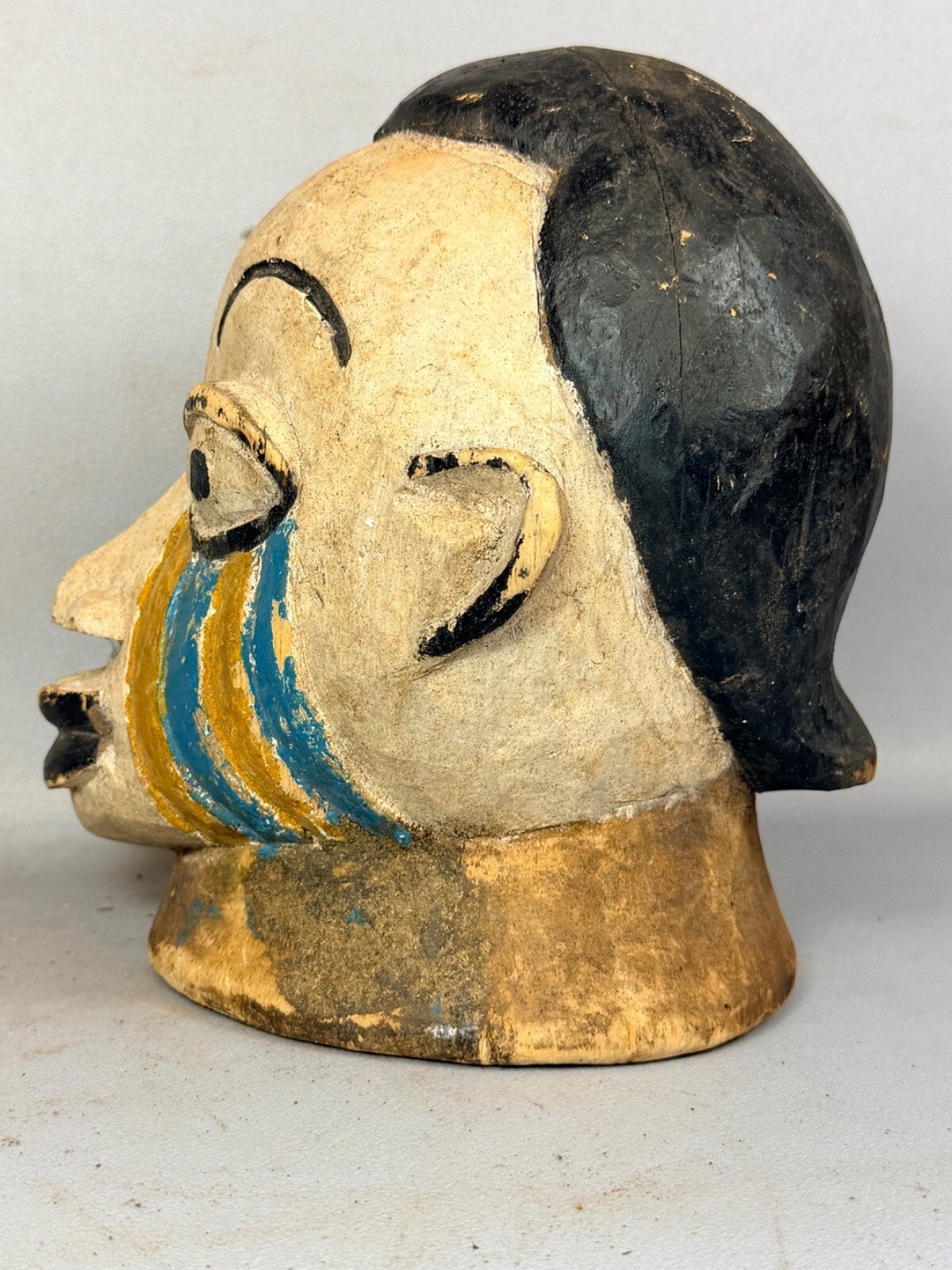
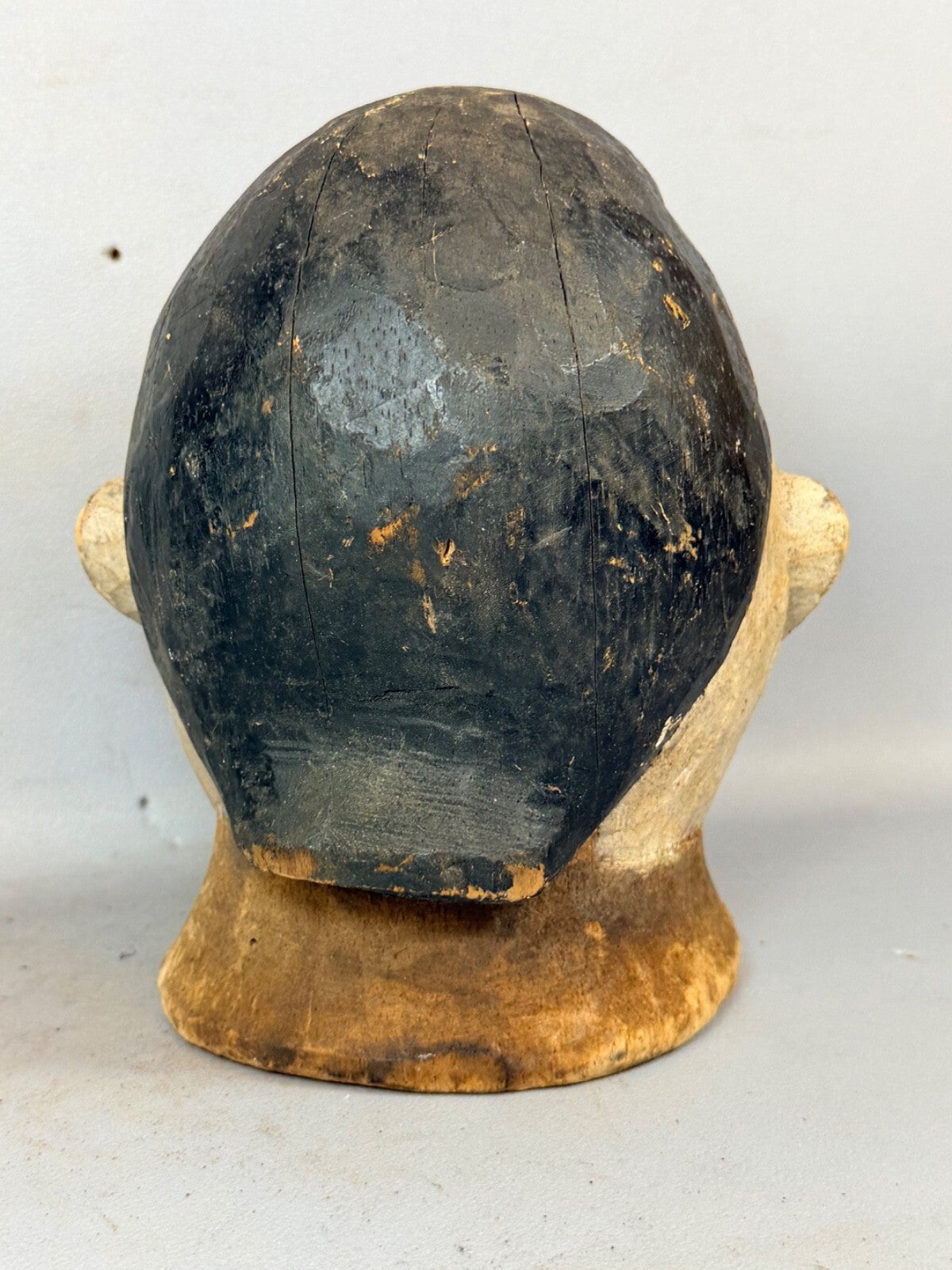
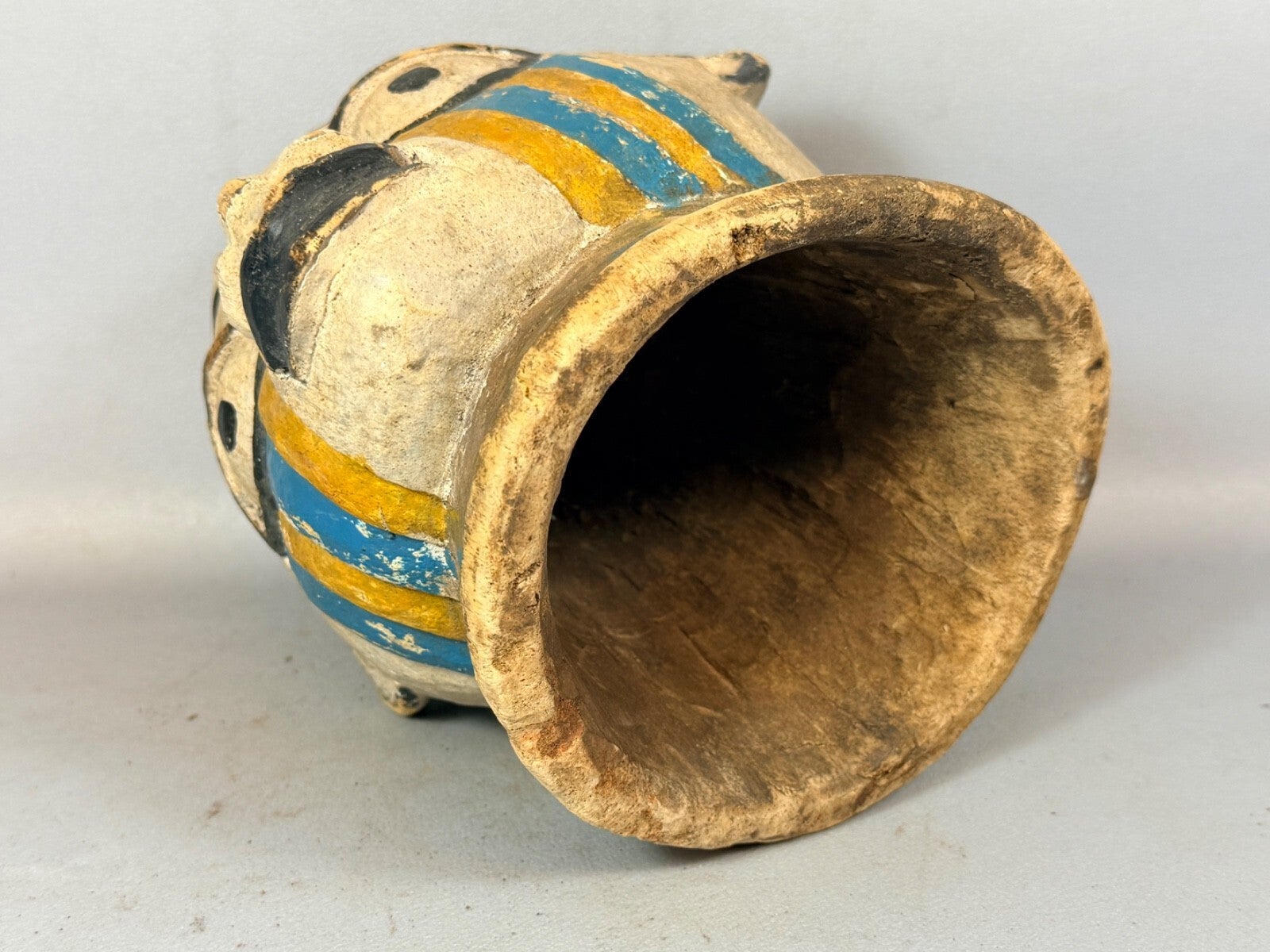
African Gelede mask from the Yoruba, Nigeria.
Carved from a single piece of wood, with color pigments.
Height: 22 cm.
The Worship of Gélédé (Guelede)
Among the many masks used by the Yoruba, the most important are those of the Gélédé Association; this association, strictly female, is dedicated to the 'Grandmother', Iyanlashe, the ancestor of all women, who protects the community and symbolizes fertility and procreation (something connected to the fact that fertility and procreation are the guarantee for the continued existence of said community). The Gélédé Association intervenes in conflicts, particularly at the expense of a woman, and to help a barren woman.
The goal of this association is to make the negative forces of the women whom the Yoruba consider witches work for the benefit of the community. To appease the witches' anger, the men organize masked ceremonies in which they wear female costumes and dress in Gélédé masks to entertain them.
Much of the art of the Yoruba, including staffs, court dress, and beadwork for crowns, is associated with the royal courts. The courts also commissioned numerous architectural objects such as veranda posts, gates, and doors that are embellished with carvings. Other Yoruba art is related shrines and masking traditions. The Yoruba worship a large pantheon of deities, and shrines dedicated to these gods are adorned with carvings and house an array of altar figures and other ritual paraphernalia. Masking traditions vary regionally, and a wide range of mask types are employed in various festivals and celebrations.he custom of art and artists among the Yoruba is deeply rooted in the Ifá literary corpus, indicating the orishas Ogun, Obatala, Oshun and Obalufon as central to creation mythology including artistry (i.e. the art of humanity).
In order to fully understand the centrality of art (onà) in Yoruba thought, one must be aware of their cosmology, which traces the origin of existence (ìwà) to a Supreme Divinity called Olódùmarè, the generator of ase, the enabling power that sustains and transforms the universe. To the Yoruba, art began when Olódùmarè commissioned the artist deity Obatala to mold the first human image from clay. Today, it is customary for the Yoruba to wish pregnant women good luck with the greeting: May Obatala fashion for us a good work of art.
The concept of ase influences how many of the Yoruba arts are composed. In the visual arts, a design may be segmented or seriate- a "discontinuous aggregate in which the units of the whole are discrete and share equal value with the other units."[5] Such elements can be seen in Ifa trays and bowls, veranda posts, carved doors, and ancestral masks.